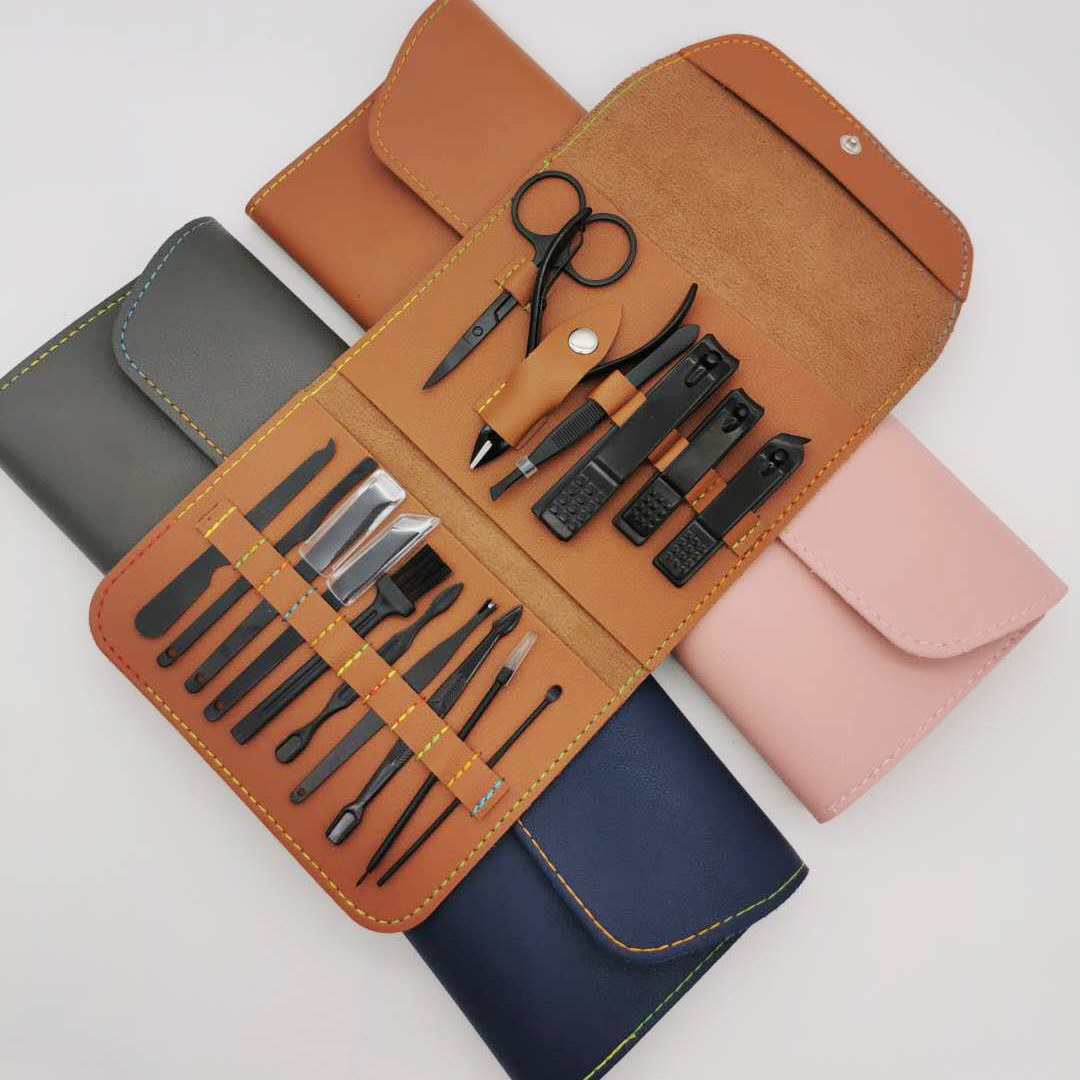

Nail grooming is a simple yet important self-care routine. Not only do short, well-manicured nails look great, they are also less likely to harbor dirt and bacteria, which can lead to an infection. In addition, the right nail clipping technique can help prevent common issues like hangnails and ingrown toenails. To properly trim your nails, dermatologists recommend the following tips:
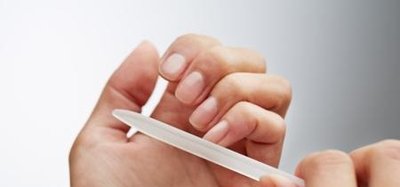
1. Soften the nails. The best time to trim your nails is immediately after taking a bath or shower. However, if that isn’t possible, soak your nails in lukewarm water for a few minutes to soften them.
2. Gather the proper tools. Use a nail clipper or nail scissors for your fingernails and a toenail clipper for your toenails. Remember to disinfect your tools monthly. To disinfect them, soak a small scrub brush in a bowl of 70 to 90 percent isopropyl alcohol and then use the brush to scrub your nail clippers or nail scissors. Afterwards, rinse the tools in hot water and dry them completely before putting them away.
3. To reduce your chances of getting an ingrown toenail, cut straight across when trimming your toenails. Toenails grow more slowly than fingernails, so you may find that you do not need to trim these nails as often.
4. Leave your cuticles alone. Cuticles protect the nail root, so it’s important to avoid cutting your cuticles or pushing them back. When you trim or cut your cuticles, it’s easier for bacteria and other germs to get inside your body and cause an infection. If you get a nail infection, it can sometimes take a long time to clear.
5. Moisturize after trimming to help keep your nails flexible. This is especially important when the air is dry, as dry nails split more easily.
Nails are a reflection of your overall health. If you notice a change in the color, texture, or shape of your nail, see a board-certified dermatologist. While some changes are harmless, others could be a sign of a disease, such as melanoma, or an infection, such as a nail fungal infection.